
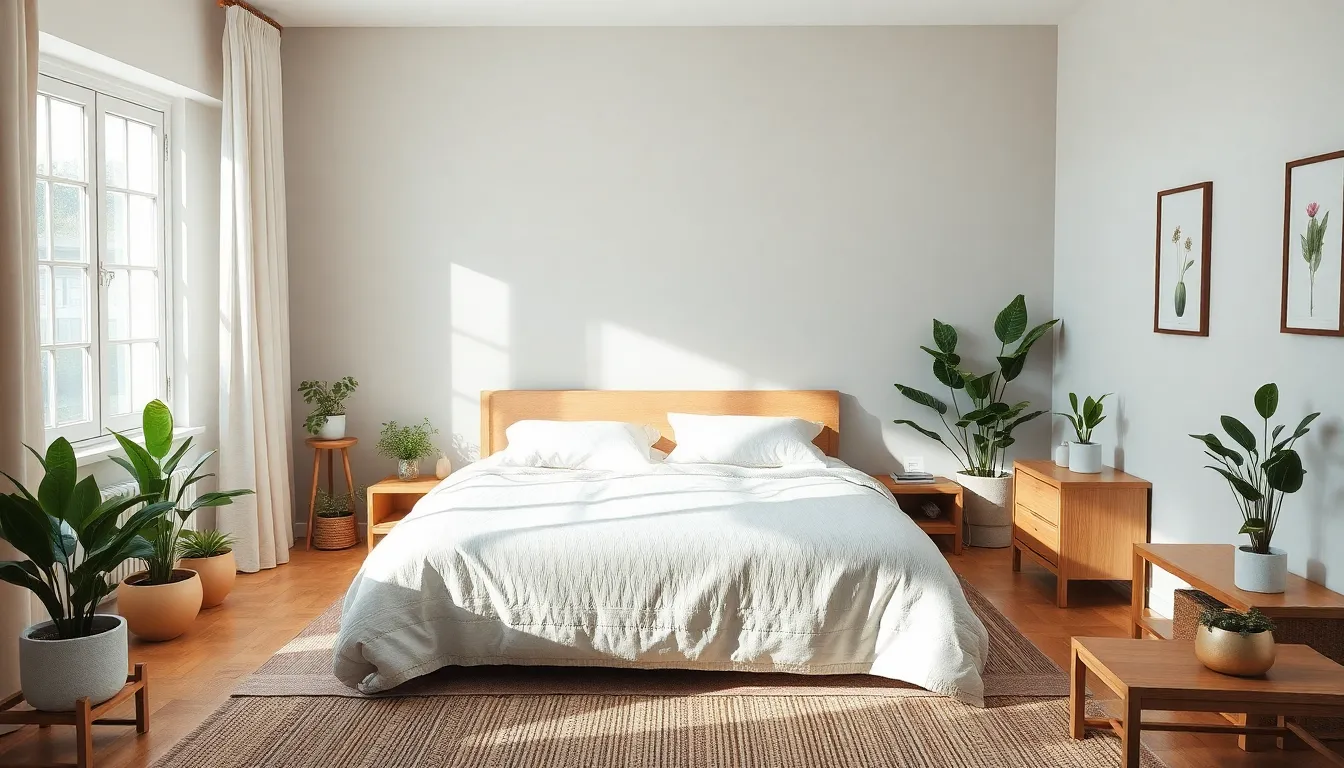
In the quest for harmony and balance in our living spaces, feng shui offers valuable insights, especially when it comes to the placement of furniture. The bed, often regarded as the most important piece in a bedroom, plays a crucial role in promoting restful sleep and positive energy. Understanding the ideal bed direction can significantly impact one’s well-being and overall quality of life.
A feng shui bed direction chart serves as a practical guide, helping individuals align their sleeping arrangements with natural energies. By following these principles, anyone can transform their bedroom into a sanctuary that fosters relaxation and rejuvenation. Whether you’re a feng shui novice or a seasoned practitioner, exploring the nuances of bed placement can unlock a deeper sense of peace and harmony in your home.
What Is Feng Shui?
Feng shui is an ancient Chinese practice focused on creating harmony and balance in environments. The term translates to “wind” and “water,” symbolizing the flow of energy, or “chi,” within a space. This practice emphasizes the importance of arrangement and orientation of physical objects to promote positive energy and well-being.
Feng shui principles guide the placement of furniture, colors, and materials to enhance tranquility and vitality. Through mindful adjustments, individuals can foster a supportive atmosphere that influences emotional health and daily experiences. It incorporates elements like the five natural elements: wood, fire, earth, metal, and water, which interact to affect energy flow within a space.
The practice extends beyond personal spaces. It applies to businesses and communal environments, promoting optimal energy flow and productivity. Understanding feng shui can lead to improvements in relationships, career success, and overall happiness. By aligning living spaces with natural energies, individuals can unlock greater peace and clarity in their lives.
Understanding Bed Direction in Feng Shui


Bed direction plays a crucial role in feng shui, influencing both energy flow and overall wellness. Proper bed placement promotes a harmonious environment, fostering better sleep and emotional balance.
Importance of Bed Placement
Bed placement significantly affects the chi or energy within a bedroom. Placing the bed against a solid wall creates stability and support, while facing the door allows for better control over one’s environment. Avoid positioning the bed under windows, as this can lead to feelings of vulnerability and disrupt sleep. Ensuring a clear path around the bed facilitates easy movement and reduces clutter, thus enhancing tranquility.
How Bed Direction Affects Energy
Bed direction directly impacts energy and sleep quality. Aligning the bed with favorable directions can enhance vitality and well-being.
| Direction | Energy Quality | Benefits |
|---|---|---|
| North | Calm and restful energy | Encourages restorative sleep and rejuvenation |
| South | Vibrant and stimulating | Promotes creativity and emotional warmth |
| East | New beginnings | Supports personal growth and inspiration |
| West | Reflective and peaceful | Encourages relaxation and introspection |
Each direction influences the energy characteristics in unique ways. Aligning the bed with specific directions fosters different benefits, allowing for tailored sleeping arrangements that enhance personal well-being.
Feng Shui Bed Direction Chart Explained
The feng shui bed direction chart serves as a guide for aligning bed placement with beneficial energies. Understanding how specific cardinal directions influence well-being aids individuals in creating more harmonious sleeping environments.
Cardinal Directions
Cardinal directions—North, South, East, and West—each carry unique energy qualities in feng shui.
- North: This direction embodies tranquility and restfulness. Beds facing North promote deep sleep and rejuvenation.
- South: Associated with warmth and passion, South-facing beds encourage creativity and vitality. However, too much stimulation can lead to restlessness.
- East: This direction symbolizes new beginnings and personal growth. East-facing beds help foster motivation and inspiration, making them ideal for those pursuing goals.
- West: The West direction supports relaxation and introspection. Beds facing West can facilitate peaceful sleep and emotional healing.
Positioning the bed according to these cardinal directions enhances energy flow and sleep quality.
Ideal Bed Positions for Different Situations
Different situations warrant specific bed placements to optimize feng shui benefits:
- Couples: Placing the bed in a way that each partner has equal access to both sides fosters balance and harmony in relationships. Aim for the bed to face each partner’s favorable direction.
- Students and Professionals: A bed oriented toward the East may enhance focus and academic achievement. Positioning the bed near a solid wall also establishes a sense of security.
- Elderly Individuals: Beds should face the door, allowing easy access for caregivers and promoting a sense of control over one’s environment.
- Children: For children, East-facing beds encourage creativity and growth, while ensuring that they have a clear view of the door enhances their sense of safety.
Adapting bed positions to specific needs aids in creating environments that support rest and overall well-being.
Tips for Implementing Feng Shui in Your Bedroom
Implementing feng shui principles in the bedroom enhances energy flow and promotes tranquility. Attention to detail in bed placement and decor plays a significant role in creating a harmonious environment.
Common Mistakes to Avoid
- Placing the bed directly in line with the door: This creates a feeling of vulnerability. Position the bed so it’s not directly aligned with the entrance.
- Ignoring headboard support: Lack of a solid headboard impacts stability. Use a sturdy headboard for better support and security.
- Clustering furniture: Too much furniture creates clutter that disrupts flow. Maintain open space around the bed to promote better energy circulation.
- Using mirrors incorrectly: Mirrors reflecting the bed can lead to restlessness. Avoid placing mirrors where they directly face the sleeping area.
- Neglecting color and decor: Colors influence mood and energy. Select calming color palettes to enhance relaxation and peace.
Incorporating Feng Shui Elements
- Utilizing natural materials: Incorporate wood, bamboo, or cotton. These materials evoke a sense of grounding and enhance energy flow.
- Adding plants: Include live plants for vitality. Plants improve air quality and attract positive energy, promoting a sense of well-being.
- Implementing proper lighting: Use soft, adjustable lighting for relaxation. Avoid harsh lights that disrupt the calming atmosphere.
- Balancing elements: Incorporate the five feng shui elements—wood, fire, earth, metal, and water. Balance these elements through decor to enhance harmony.
- Personalizing the space: Add items that resonate with personal energy and intentions. Use artwork or decor that inspires positive feelings and aligns with individual aspirations.