
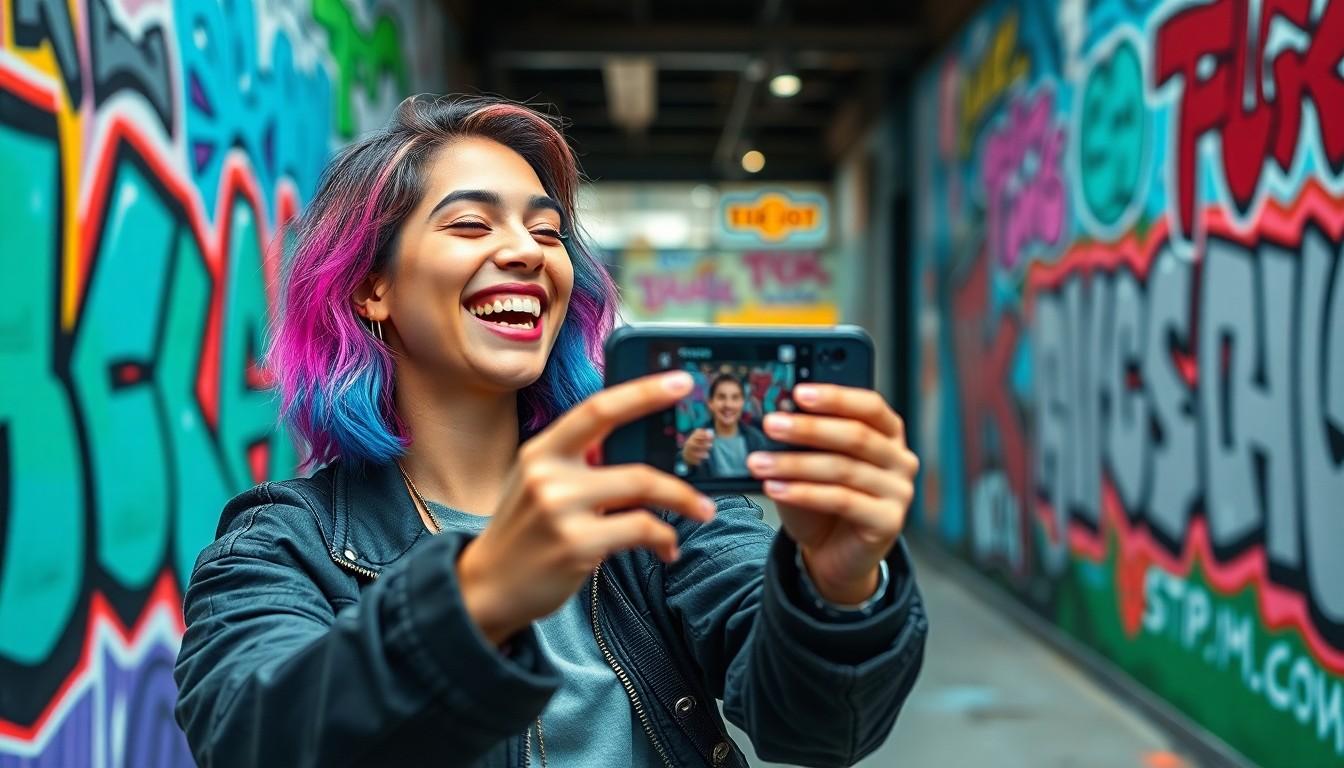
In a world where attention spans rival that of a goldfish, TikTok has emerged as the ultimate playground for brands looking to capture the hearts of Generation Z. With its endless scroll of catchy dances and quirky challenges, this platform isn’t just about lip-syncing and viral memes; it’s a goldmine for savvy marketers. Brands that can harness TikTok’s unique vibe find themselves in the fast lane to connect with a demographic that values authenticity and creativity.
Gone are the days of traditional advertising; Gen Z craves engaging content that feels genuine. TikTok allows brands to showcase their personality in a fun and relatable way, turning potential customers into loyal fans. So, if you’re ready to ditch the boring ads and dive into a world of creativity, it’s time to explore how TikTok can revolutionize brand marketing for the next generation.
The Role of TikTok in Modern Marketing
TikTok operates as a dynamic platform for modern marketing strategies. Brands leverage its algorithm to reach Generation Z through engaging short videos. Creativity stands as the cornerstone of content on TikTok. The platform encourages unique trends, allowing brands to join in and gain visibility.
Engagement metrics on TikTok reveal impressive statistics; brands witness higher interaction rates compared to traditional social media. Videos that incorporate humor or challenges typically perform well, drawing attention and fostering brand affinity. Analytics show that 67% of TikTok users enjoy discovering new brands through the app.
Content creation on TikTok prioritizes authenticity over perfection. Users prefer genuine interactions, making it essential for brands to connect on a personal level. Brand partnerships with popular creators amplify reach, as influencers hold significant sway over their followers. Collaborations often result in increased trust and brand loyalty.
Campaigns employing TikTok’s advertising options experience notable success. TikTok Ads Manager provides tools like In-Feed Ads and TopView Ads, allowing targeted advertising to specific demographics. Brands can engage users in innovative ways by incorporating interactive elements such as polls or challenges.
Trends on TikTok can escalate rapidly, offering brands the opportunity to capitalize on viral moments. By aligning marketing strategies with trending content, brands can foster community engagement. The platform’s emphasis on cultural relevance aligns perfectly with Generation Z’s preferences, making TikTok an essential tool in reaching this audience.
Understanding Generation Z

Generation Z represents a unique demographic, born between 1997 and 2012. Engaging this group requires an understanding of their distinct characteristics and social media habits.
Characteristics of Generation Z
Members of Generation Z value authenticity and transparency in brands. They prioritize experiences over material possessions, seeking products that reflect their personal values. An emphasis on social justice matters to this generation, influencing their purchasing decisions. Tech-savvy individuals, they often utilize smartphones for content consumption and communication. Additionally, diverse representation in marketing appeals to their inclusive mindset. Research shows 66% of Gen Z prefers brands that recognize and support social causes.
Social Media Habits of Generation Z
Social media serves as a primary source of information for Generation Z. They frequently spend over three hours daily on platforms like TikTok, Instagram, and Snapchat. Engaging with short video content resonates deeply, fostering a preference for dynamic, visually appealing material. Interactivity plays a key role; this generation enjoys participating in challenges and sharing user-generated content. Trust in influencers is strong, as recommendations from peers often impact their buying choices. Around 83% of Gen Z expresses interest in engaging with brands through social media channels.
The Use of TikTok as a Marketing Tool
TikTok serves as an innovative platform for brands aiming to connect with Generation Z through authentic engagement.
Features of TikTok that Enhance Marketing
Unique features make TikTok especially appealing for marketing. Short videos grab attention quickly, creating opportunities for brands to showcase their products creatively. The algorithm prioritizes engaging content, helping brands reach wider audiences without substantial ad spend. Duets and stitching allow real-time interaction with user-generated content, fostering community and participation. Additionally, filters and effects enhance visual appeal, encouraging brands to experiment with dynamic storytelling. Trends on TikTok spread rapidly, enabling brands to align with popular challenges and cultural moments, thus increasing visibility.
Successful Marketing Campaigns on TikTok
Successful marketing campaigns on TikTok illustrate the platform’s potential. For example, the #GuacDance challenge by Chipotle generated over 1 million video submissions, boosting guacamole sales significantly. Nike’s collaboration with influencers for the #PlayNew campaign emphasized inclusivity and encouraged users to share their own sports experiences. The participation of creators led to increased brand trust and connection with Gen Z. Similarly, Ocean Spray’s viral TikTok featuring skateboarder Nathan Apodaca highlighted how authenticity resonates with audiences, resulting in a surge in sales for the brand. Each of these campaigns showcases the effectiveness of creativity and trend alignment in capturing the attention of today’s consumers.
Strategies for Brands on TikTok
Brands engaging with Generation Z on TikTok can leverage unique strategies for maximum impact. By focusing on creating authentic connections, opportunities for brand growth multiply.
Engaging Content Creation
Creating visually appealing content is essential on TikTok. Brands that utilize humor or participate in trending challenges often capture attention effectively. Short, relatable videos not only entertain but also encourage shares, enhancing organic reach. Authenticity resonates strongly with this audience; therefore, brands should prioritize genuine storytelling. Furthermore, brands see higher interaction rates when they embrace popular formats, like duets or reactions, which encourage viewer participation. Incorporating user-generated content benefits brand visibility as well, providing a sense of community that Generation Z values.
Collaborations with Influencers
Collaborating with influencers significantly boosts brand credibility. Influencers wield substantial sway; their followers often trust their recommendations. By aligning with creators who embody brand values, companies foster trust among potential customers. Engaging with micro-influencers is particularly effective, as they tend to have dedicated and active followers. Brands can amplify their messaging through these partnerships, allowing for authentic promotion that resonates. Generating authentic content through influencer collaborations cultivates loyalty, enhancing brand engagement with Generation Z. Cleverly executed collaborations result in campaigns that feel organic and relatable rather than scripted.
Measuring Success on TikTok
Success on TikTok revolves around effective metrics and engagement analysis. Marketers must prioritize the right indicators to assess their brand promotion effectiveness.
Key Performance Indicators (KPIs)
Brands should track several KPIs to measure their TikTok success. Engagement rate stands out as a critical metric, indicating how audiences interact with content. Comments, shares, and likes provide qualitative insights into user resonance. View counts also matter, revealing reach and visibility. Conversion rates demonstrate the effectiveness of calls-to-action, showing how well content drives purchases or website visits. Finally, follower growth reflects overall brand interest. By concentrating on these KPIs, marketers gain valuable clarity into their TikTok strategies.
Analyzing Audience Engagement
Audience engagement analysis showcases how well brands connect with Generation Z. Marketers must evaluate video performance to understand what resonates. Tracking metrics like completion rates helps identify content that keeps viewers interested. Additionally, observing trends in audience demographics offers insight into target market preferences. Engaging with comments fosters community interaction, reinforcing authenticity. Using TikTok’s analytics tools provides clarity on peak engagement times and successful hashtags. Ultimately, understanding audience behavior guides marketers in crafting content that strikes a chord with Gen Z.
Conclusion
Harnessing TikTok as a marketing tool offers brands an unparalleled opportunity to connect with Generation Z. By prioritizing creativity and authenticity brands can foster genuine relationships that resonate with this demographic. The platform’s unique features and dynamic nature allow for innovative storytelling that captures attention and encourages engagement.
Brands that adapt to TikTok’s trends and collaborate with influencers are likely to see significant returns on their marketing investments. Measuring success through engagement metrics will enable brands to refine their strategies and align more closely with Generation Z’s values. Embracing TikTok isn’t just a trend; it’s a strategic move toward building lasting connections with the next generation of consumers.

