
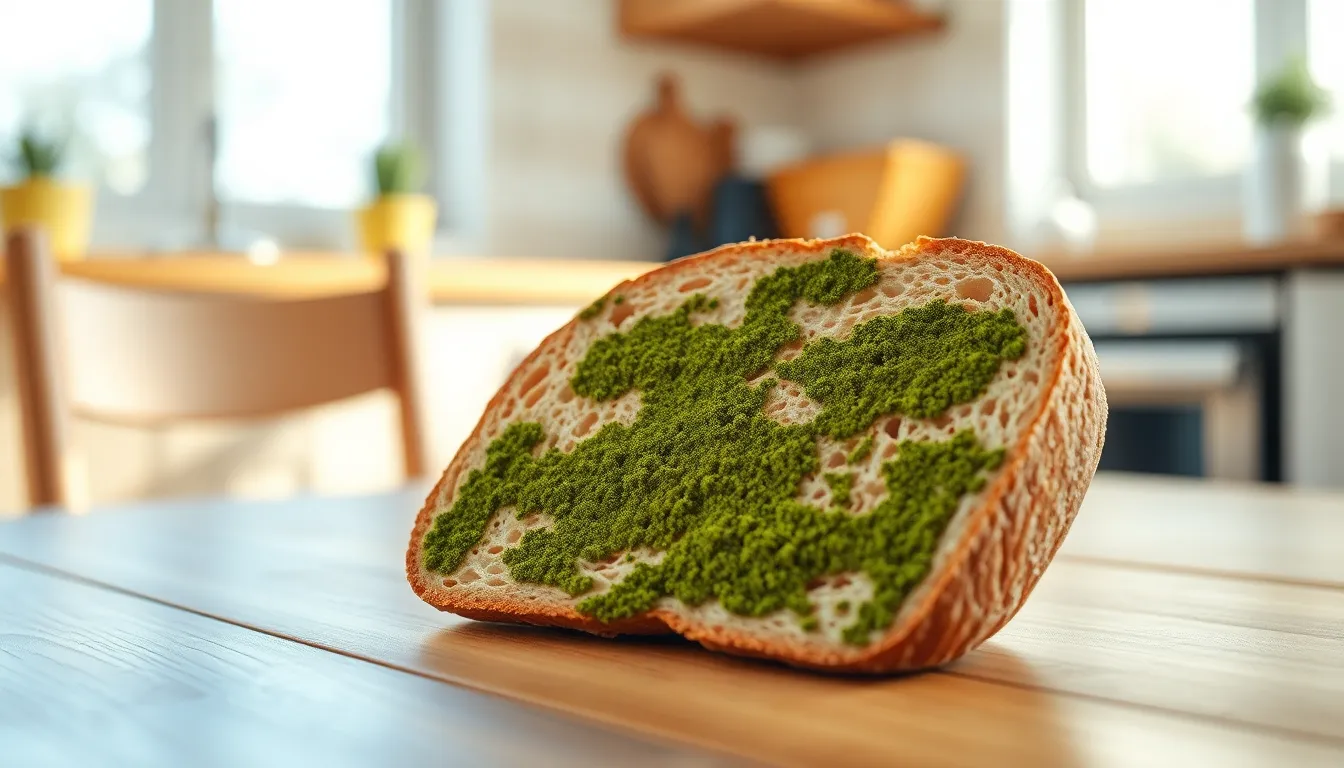
Moldy bread might not seem like a big deal at first glance, but it raises some important health questions. Many people wonder what really happens if they accidentally consume a slice that’s gone bad. Mold can appear in various colors and textures, and while some types are harmless, others can pose serious risks.
Understanding the potential effects of eating moldy bread is crucial for anyone who values their health. From mild digestive discomfort to more severe reactions, the consequences can vary widely. This article dives into the science behind mold, the symptoms to watch for, and what steps to take if someone finds themselves in this situation.
Understanding Moldy Bread
Moldy bread can pose health risks, as various types of mold can grow on it. Understanding mold and its implications is crucial for making informed decisions about consumption.
What Is Mold?
Mold consists of fungal organisms that thrive in moist environments. Mold reproduces through spores, which can easily become airborne. When these spores land on food, they can develop into visible colonies within 24 to 48 hours. Certain molds can produce mycotoxins, which are harmful substances that can cause adverse health effects.
Types of Mold Commonly Found on Bread
Different types of mold may appear on bread, including:
- Penicillium: A common mold often green or blue in color. Some species produce antibiotics, while others can yield harmful mycotoxins.
- Aspergillus: Typically found in black or green forms, it can produce aflatoxins, which are potent carcinogens.
- Rhizopus: Known for its characteristic black spores, this mold often appears in bread and can cause allergic reactions in sensitive individuals.
- Cladosporium: This mold appears olive green or black and can trigger respiratory issues in those with allergies.
Awareness of these mold types aids in recognizing the potential risks associated with eating moldy bread.
Health Risks of Eating Moldy Bread
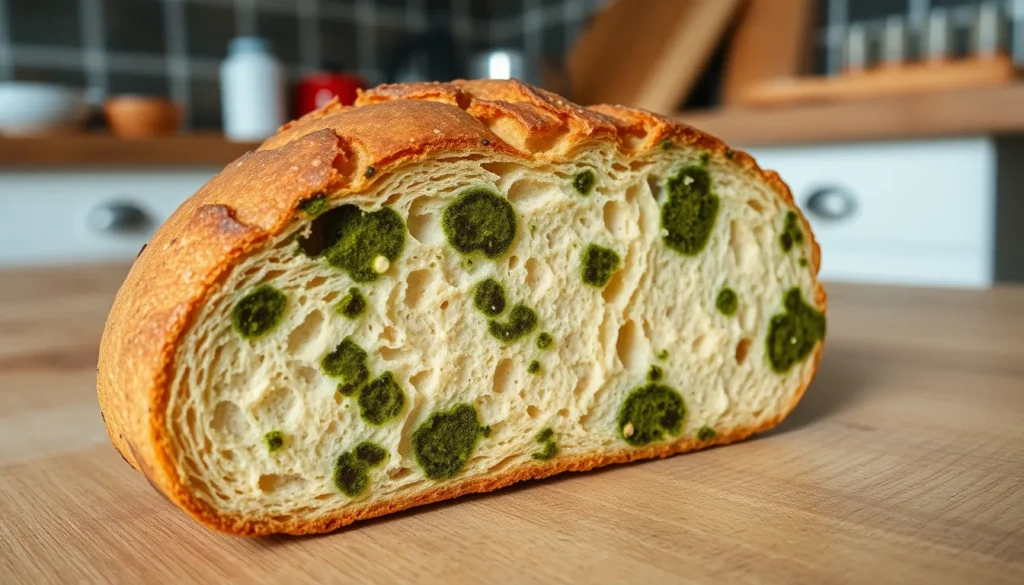
Consuming moldy bread poses various health risks, ranging from mild allergic reactions to severe gastrointestinal issues. Understanding these risks provides clarity on the potential effects of mold ingestion.
Allergic Reactions
Allergic reactions occur in some individuals after consuming moldy bread. Symptoms include sneezing, nasal congestion, and skin rashes. Mold types such as Cladosporium and Penicillium may trigger these reactions in sensitive individuals. Even small amounts of mold can provoke an immune response, leading to discomfort and the need for antihistamines.
Gastrointestinal Issues
Gastrointestinal issues often arise after eating moldy bread. These issues may include symptoms like nausea, vomiting, diarrhea, and abdominal cramps. The presence of mycotoxins or the consumption of mold itself can irritate the digestive system. Individuals with pre-existing conditions, such as irritable bowel syndrome, might experience exacerbated symptoms.
Mycotoxins and Their Effects
Mycotoxins represent harmful compounds produced by certain molds, like Aspergillus and Penicillium. Ingesting mycotoxins can lead to serious health concerns, including liver damage and immune system suppression. Long-term exposure to mycotoxins may increase the risk of chronic health conditions, including cancer. Awareness of these toxins emphasizes the importance of avoiding moldy bread consumption.
What to Do If You Accidentally Eat Moldy Bread
Consuming moldy bread can lead to various health issues, depending on individual reactions and the type of mold ingested. Taking the right steps afterward is crucial for overall well-being.
Assessing Symptoms
Assessing symptoms helps gauge the severity of the situation. Common symptoms include:
- Gastrointestinal distress: Nausea, vomiting, diarrhea, and stomach cramps can occur, especially in sensitive individuals.
- Allergic reactions: Sneezing, nasal congestion, and skin rashes may arise from molds like Cladosporium and Penicillium.
- Increased sensitivity: Individuals with allergies or asthma may experience heightened responses, including respiratory problems.
Monitoring symptoms over the next 24 hours provides insight into whether further action is necessary. Keeping a record of the symptoms experienced can help in discussions with medical professionals if needed.
When to Seek Medical Attention
Seeking medical attention becomes critical if experiencing severe or prolonged symptoms. Consider contacting a healthcare provider if:
- Severe gastrointestinal symptoms persist longer than 24 hours or worsen.
- Respiratory issues such as wheezing or difficulty breathing develop, particularly for those with pre-existing conditions.
- Unusual symptoms, such as fever, headaches, or persistent fatigue, appear after consuming moldy bread.
Responding quickly to concerning signs promotes better health outcomes. Taking these precautions ensures safety and well-being after accidental consumption of moldy bread.
Prevention Tips for Moldy Bread
Taking preventive measures can significantly reduce the risk of encountering moldy bread. Implementing proper storage techniques and identifying spoilage signs helps maintain bread freshness.
Proper Storage Techniques
- Keep bread in a cool, dry place: Store bread in a pantry or cupboard away from direct sunlight and heat sources to limit moisture accumulation.
- Use airtight containers: Seal bread in plastic bags or airtight containers to minimize exposure to air, reducing mold growth.
- Refrigerate or freeze bread: Refrigeration slows mold growth, while freezing preserves bread for long-term storage. Wrap bread tightly in freezer-safe bags to prevent freezer burn.
- Avoid slicing until needed: Keep the loaf intact until it’s time to consume; this reduces the surface area exposed to air and potential mold spores.
- Consider bread types: Opt for bread with preservatives or make small batches to enhance freshness and longevity.
Identifying Signs of Spoilage
- Check for visual signs: Look for green, black, or white fuzzy growths on the surface of the bread as indicators of mold.
- Smell the bread: Notice any off or sour odors signaling potential spoilage, even if visible mold is absent.
- Examine texture: Feel for unusual dampness or excessive softness that may indicate spoilage.
- Monitor expiration dates: Adhere to sell-by and use-by dates for best quality assurance and to avoid consuming outdated products.
- Trust your instincts: If there’s any doubt about the bread’s freshness, discard it to prevent health risks.
Eating moldy bread can lead to a range of health issues that vary in severity. While some individuals may experience mild digestive discomfort or allergic reactions, others could face more serious consequences due to harmful mycotoxins. It’s crucial to stay informed about the types of mold present and their potential risks.
Preventing mold growth through proper storage and recognizing spoilage is key to avoiding these health concerns. If moldy bread is consumed, monitoring symptoms and seeking medical attention when necessary can help ensure a safe recovery. Ultimately, being proactive about food safety can lead to better health outcomes and peace of mind.

